Op-Ed

Distant Dome: Lawmakers Increasingly Trying to Upend Local Control
But in recent years, the New Hampshire legislature has been attempting what was once the unthinkable in our Granite State, trying to upend once precious “local control.”
InDepthNH.org (https://indepthnh.org/series/distant-dome/page/9/)
 Garry Rayno

But in recent years, the New Hampshire legislature has been attempting what was once the unthinkable in our Granite State, trying to upend once precious “local control.”

If you followed the New Hampshire legislature the last few terms and listened to Education Freedom Account advocates, you would think public schools are cesspools of indoctrination, obscene materials, bullying and protectors of perverts.
The program in its fourth year has grown from 1,635 students its first year to 5,321 students this school year, an increase in four years of 225 percent.
New Hampshire lawmakers have decreed that most of the “gifts” from the state do not go to the needy, but to those on the other end of the economic spectrum.
The early turmoil in the Republican House caucus over the Majority Leader’s position does not bode well for what lies ahead for the GOP majority in the upcoming session.
The latest round for education funding lawsuits enters the judicial ring this week in Rockingham County Superior Court and will be argued over the next two weeks.
Whoever wins the governor’s race and controls the House — the Senate is off limits for Democrats thanks to gerrymandering — will face a daunting task in a state government spoiled by the lure of easy federal money intended to blunt the worst fiscal impacts of the COVID pandemic.
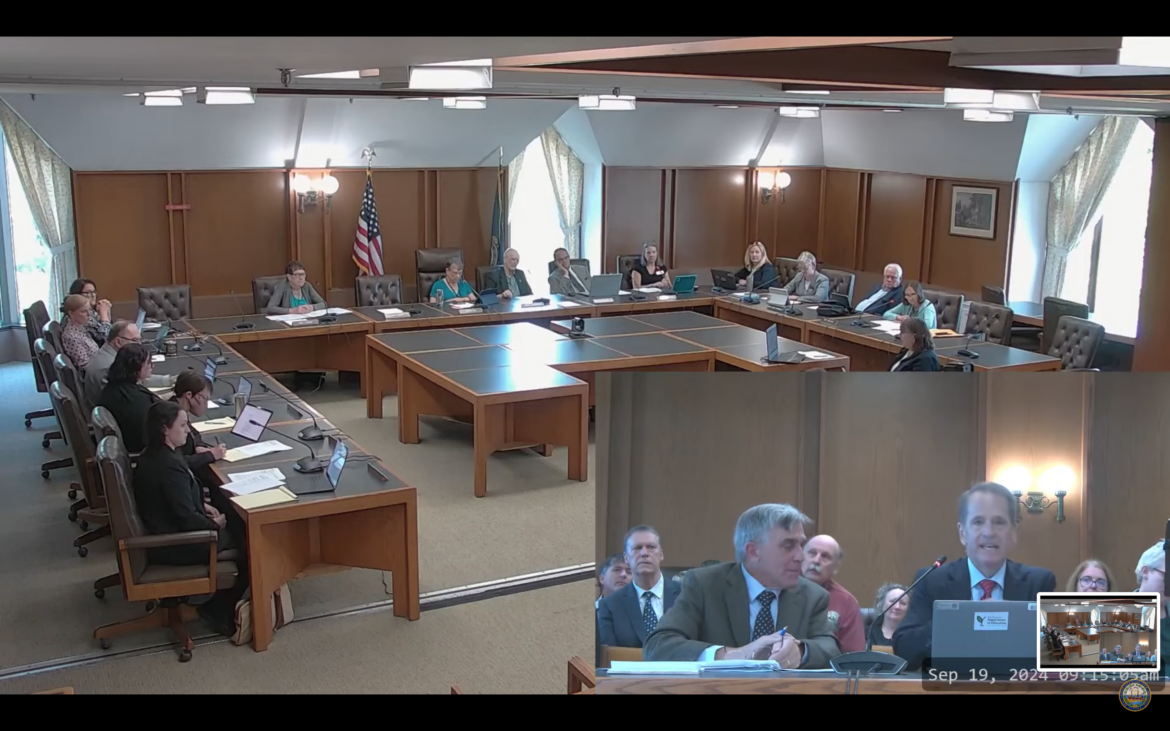
The Joint Legislative Committee on Administrative Rules delayed taking action on new rules governing the minimum standards for public schools until its November meeting.
The arguments presented in the attorney general’s, Bradley’s and the 31 Republicans’ briefs urge the Supreme Court to at least review the two original Claremont education decisions and in the case of the lawmakers to overturn those decisions.
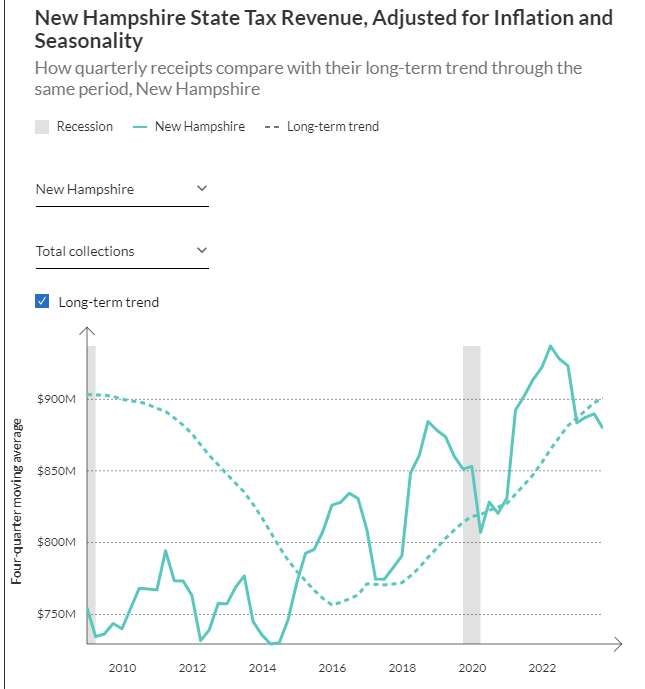
The federal dollars that help prevent a debilitating recession fueled state revenues, but now more than half of the states — including New Hampshire — are experiencing lower revenues than the year before.