By GARRY RAYNO, InDepthNH.org
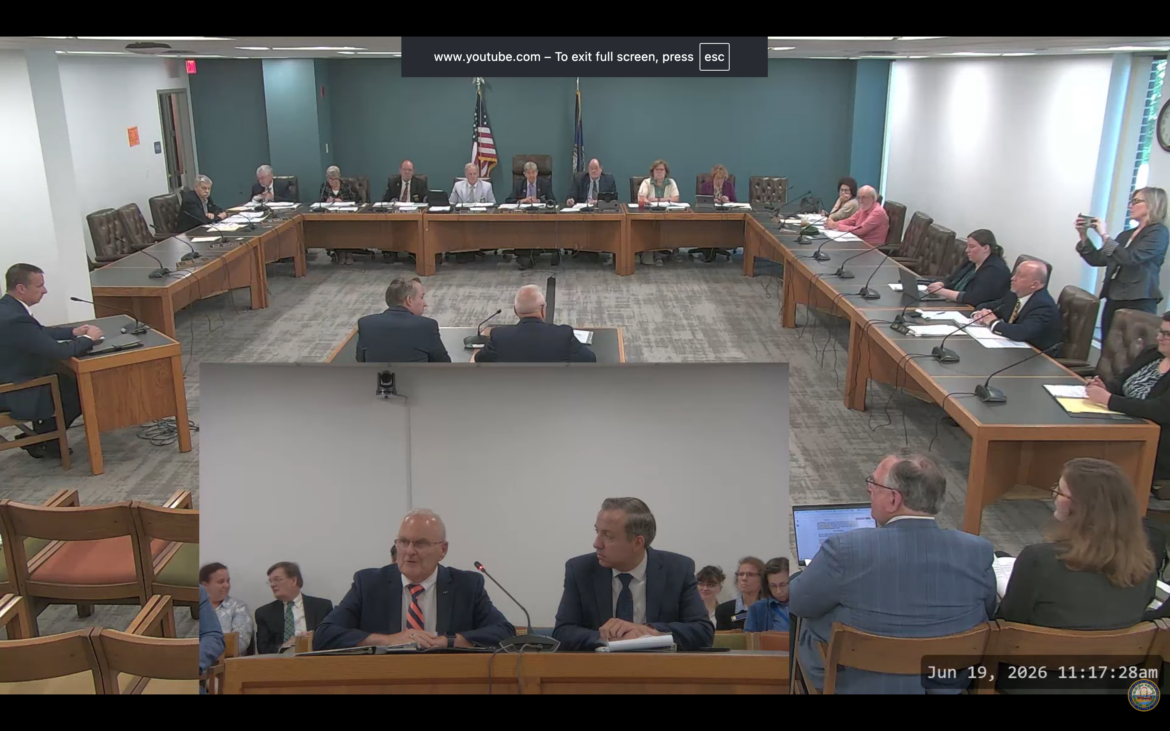
CONCORD — The new administrator for the Youth Development Center settlement fund had to settle for $20 million instead of the $55 million he sought from the Joint Legislative Fiscal Committee.
Meeting Friday, committee members told new administrator Gerard Boyle, a former circuit court judge, the state did not have the money to give him the $55 million, but may be able to find more money for the fund in October when the revenue surplus for the 2026 fiscal year is known.
The state has already allocated about $250 million for claims, some of that over a 10-year period, but has not settled any claims in the last year after the program was changed by lawmakers.
The administrator originally was under the state Supreme Court but was transferred to the governor’s office, and the new statute gave the Attorney General veto power over any settlement.
In this biennium’s budget, lawmakers did not fully fund the $75 million annual payment they had promised in the previous biennium’s budget after current Gov. Kelly Ayotte put no money in her budget to cover the claims by 1,700 former Sununu Youth Services Center (YDC) residents that they suffered physical, sexual and mental abuse as children at the hands of former state employees,
The one claimant who went to court, received an award of $38 million from a superior court jury. The state is appealing that award.
Settling all the claims is estimated to cost the state about $1 billion if they go through the settlement process, but would likely bankrupt the state if the claims go through the court system, which could take a decade or more to resolve.
At Friday’s meeting, Boyle said he hopes to begin hearings again in August and award claims over a 10-year period unless they are less than $100,000.
“This is one of the most shameful and emotional chapters in state history,” Boyle said, but warned lawmakers going the court route would be much more costly and lengthy, dragging out administrative costs for the state.
He told the committee he cut staff at the administrator’s office and reduced salaries making it more sustainable.
“As the fund exists today,” Boyle said, “it runs out of money in October of this year.”
The $55 million would allow the fund to last through fiscal year 2027, he said, which would allow the settlement process to begin again and show the victims and their attorneys the state is serious about settling.
Over the first three years, settlements have averaged $560,000 but have averaged $601,000 since the legislature increased the awards to make settling more attractive.
Boyle said he would like to institute a mediation program for the claimants to work with the Attorney General’s Office, and a skilled mediator to settle before the case has a hearing.
That will allow cases to be resolved quicker and move a lot more cases forward, he said.
“My goal is to end this operation in three years,” Boyle said.
Attorney General John Formella said he supports Boyle’s request for the money.
Committee chair Ken Weyler, R-Kingston, said “I hope you find some ways to save in this program. It’s been a little bit extravagant.” He noted lawyers are getting 33 percent for their cases when it should be quicker and less time consuming as they handle more cases.
“We are united in wanting to see the bulk of the funds go to claimants,” Formella said.
He said the 33 percent is the maximum not the floor, and noted that the early cases going through the settlement process did average around the maximum but should go down particularly for the firms with multiple claimants.
But that is a decision the administrator makes, he noted.
Formella also approved of Boyle’s plan to use mediation, saying resolving the claims without going to a hearing is the most efficient way to move forward.
“We will be looking to do that where we can and where the funds allow,” he said.
Sen James Gray, R-Rochester, said the money is not available right now to send $55 million into the settlement fund, but they could revisit the request in October after the fiscal year ends and they know what the revenues are.
He said some agencies are not going to make their “back-of-the-budget cuts” and the corrections department needs additional money for overtime because of the high vacancy rate for corrections officers.
He said $20 million would be enough to cover the outstanding obligations with about $5 million for new claims, which would be $50 million over 10 years.
“We have severe implications if we go into the rainy day fund again,” Gray said. The state needed about $67 million from the rainy day fund to balance its budget for fiscal year 2025.
Boyle said the $20 million will get them to the first of November which would mean they could not do any more hearings.
Sen. David Watters, D-Dover, said waiting until October for more money makes it difficult to offer assurances to victims and their lawyers. How would that disrupt his schedule, Watters asked Boyle, if it appears in the eyes of the victims the state has failed to establish a system that can continue.
“It will cost more if they decide not to go the settlement route and go to court,” he said.
Boyle noted one jury decided one victim was owed $38 million and if other juries decide similar verdicts the cost would be enormous.
Senate President Sharon Carson, R-Londonderry, said the issue has been difficult for quite a while. She said first they were told $100 million would be enough, but then it was $60 million more.
“We had difficulty getting information about how the money was moving around,” she said.
Some victims were taking out predatory loans, she said, and they found out the settlement fund was paying off some of those loans. “The state is not responsible for those loans,” she said.
She encouraged Boyle to talk to legislators, and he said he would but encouraged her and others to come to him if they have questions.
Rep. Mary Jane Wallner, D-Concord, noted the two monthly reports the committee has shown a number of claims are being withdrawn or are being denied.
She asked if they could expect that number to continue.
“I think it will continue,” Boyle said. Some victims decide the process is taking too long and decide to go back on the list at superior court and others are denied because their information is not complete.
Wallner asked how many active cases are before the court, and Formella said he did not know but would obtain that information for the committee.
The committee unanimously approved the $20 million for the settlement fund.
Corrections
The committee also approved more than $8 million to cover overtime costs for the Corrections Department.
In the past the agency used the money from unfilled positions to cover overtime costs due to the vacancy rates which are about 50 percent for corrections officers.
But in this biennium’s budget, lawmakers cut many of those positions making the money unavailable.
Gray asked Commissioner William Hart what they could expect next fiscal year for overtime.
Hart said while they have begun recruitment classes that have already added staff he did not expect it would be much different, that it will be about the same as this year’s $25 million.
While they have been recruiting, Hart said, they have also worked with Police Standards and Training to streamline the process for other law enforcement officers both from in state and out of state to be certified as corrections officers.
The committee approved the request for more money unanimously.
Garry Rayno may be reached at garry.rayno@yahoo.com.