By DAMIEN FISHER, InDepthNH.org
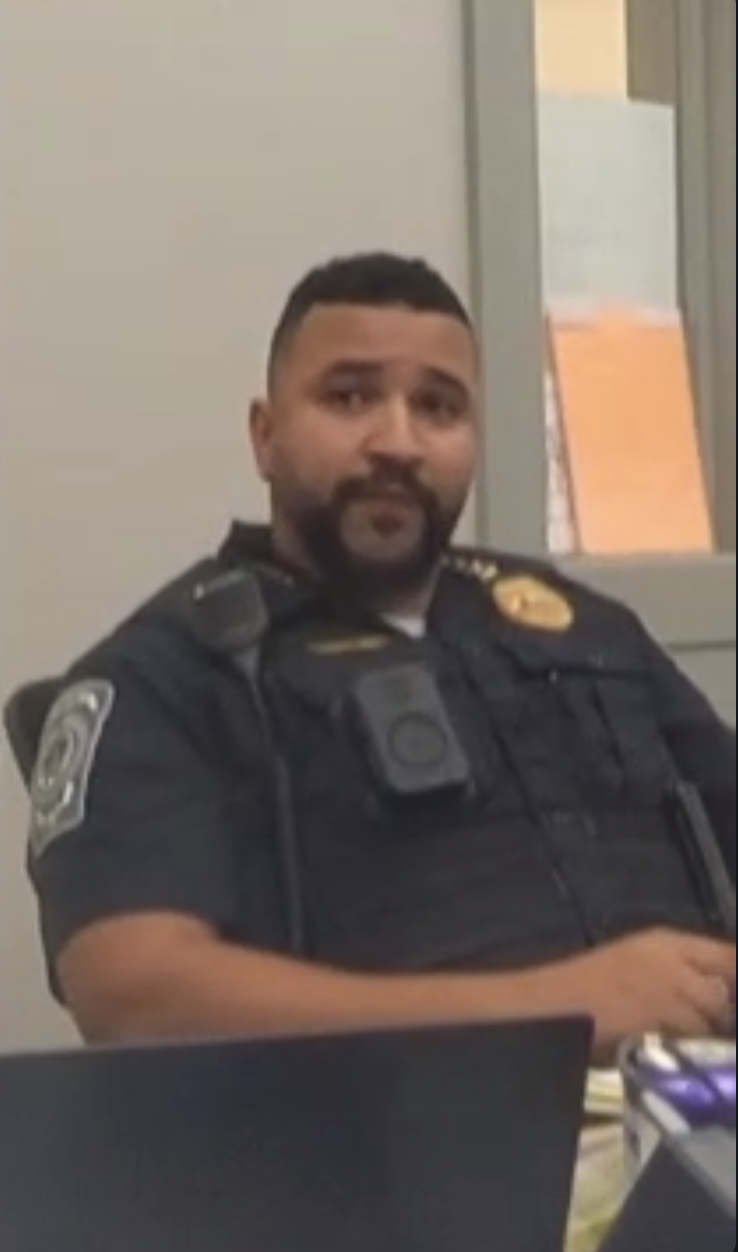
The last police officer left working in Chesterfield is Chief Lance Rouse, who is accused in a civil lawsuit of retaliation against his former lieutenant as well as filing a misleading document with the New Hampshire Police Standards and Training Council.
Since Lt. John Ciarcia says he was forced out of his job this year by Rouse, who was reportedly angry Ciarcia questioned his payroll management, the remaining handful of officers in Chesterfield managed to resign their posts for other jobs.
Rouse updated Chesterfield’s Board of Selectmen last week that the exodus of police officers means he is the only departmental employee left who can legally respond to police calls. That leaves the town the option to end full-time policing and offer what Rouse calls a “temporary reduction of police services.”
When Rouse is on duty, he can respond to calls as well as manage the one-man department, but he cannot be on duty all the time, according to Town Administrator Alissa Thompson.
“We can’t expect one person to work 24 hours a day, 365 days a year,” Thompson said.
When Rouse is not on duty, though, the 3,500 or so residents may not be able to get any kind of officer to respond when they call for aid. Rouse is pursuing memorandums of understanding with area departments, like Hinsdale, and New Hampshire State Police Troop C. Under the proposed agreements, those agencies will send officers as they are able. But that means they may not always be able to help out Chesterfield.
“This wouldn’t be a guarantee of police service,” Rouse said.
Along with the MOUs, Rouse and Thomson are looking to hire a consultant to audit the department’s operations to see where Rouse needs help, and where things need to be “restructured.” Rouse and Thompson also want to contract with an outside agency to help recruit and hire more officers.
The Chesterfield Police Department implosion started when Ciarcia, a respected veteran officer recruited to be Rouse’s second in command, raised concerns about the department’s overtime policies.
According to Ciarcia’s lawsuit, filed in Cheshire Superior Court, Rouse not only refused to pay officers any overtime they worked, he also directed them not to document overtime hours they might work. Ciarcia had a meeting with Thompson in February to discuss the illegality of not paying overtime, and Rouse responded by putting Ciarcia on leave.
The chief allegedly tried to get Ciarcia to quit, opened a biased internal investigation that lasted months, and finally pushed him out based on dubious time keeping errors that did not actually allege Ciarcia engaged in any criminal activity or deception, according to the lawsuit.
Most concerning is the fact that Rouse sent the PSTC a Form B in March that indicates his internal investigation on Ciarcia found the lieutenant was in serious violation of state policies, and that he had been terminated or resigned.
“That an Internal Investigation was conducted and that, in the course of the investigation, it is sustained beyond a preponderance that the officer committed a violation of Pol 402.02(a)(5),” Rouse selected on the form.
The problem for Rouse is the fact the investigation was not completed until May, and Ciarcia was not terminated until June, based on Rouse’s allegedly bogus findings.
Ciarcia filed his lawsuit weeks after he was fired in order to clear his name and keep off the Exculpatory Evidence Schedule, the list of police officers with known credibility problems. The list itself is maintained by the New Hampshire Attorney General’s Office, but individual police chiefs are responsible for placing officers on the EES, typically via a letter to the Attorney General.