By PAULA TRACY, InDepthNH.org
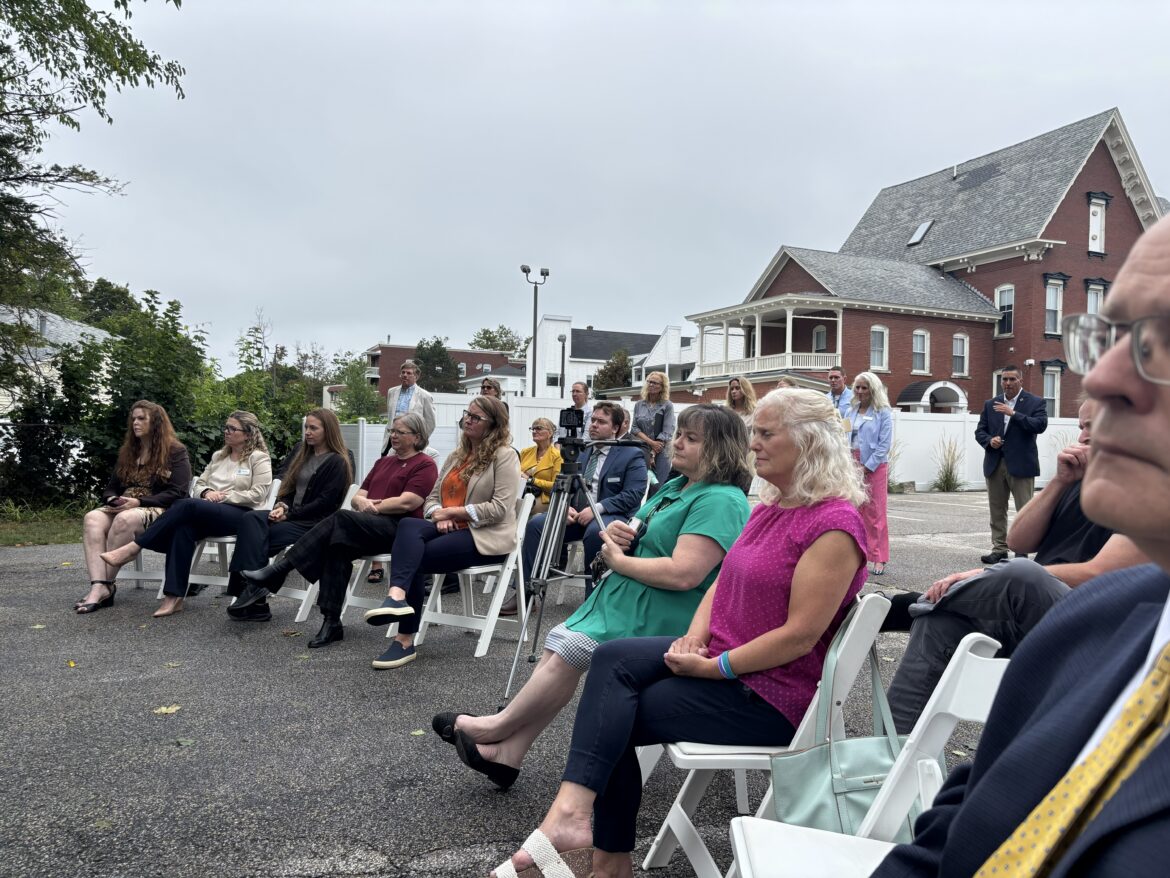
CONCORD – New Hampshire suicide prevention’s community came together with the governor and state leaders Thursday to talk about progress and the importance of the interconnected nature of individuals and organizations with a message to all: Do not give up hope and seek help.
In 2025, New Hampshire’s crisis centers fielded more than 54,000 phone calls to 9-8-8, texts and chats from many who were feeling hopeless and needed help in their struggles.
Lori Weaver, director of the Department of Health and Human Services, said it is important to get out to the schools, businesses to veterans and first responders to reach those who are struggling and to reinforce systems in place to prevent people from falling between the cracks, which she said is being helped by a new, federally funded initiative.
She said the high number of calls for help reported last year “speaks to the willingness of people to reach out for help and it also tells us that they know how and where to find it,” Weaver told Gov. Kelly Ayotte and others at the National Alliance for Mental Illness – New Hampshire offices in Concord where the governor proclaimed September Suicide Prevention Month.
“We are seven years into the state’s 10-year mental health plan and have made meaningful progress by expanding access to care, building strong partnerships, investing in behavioral health initiatives across our communities, strengthening crisis services across our state including expanding access in Derry and Plymouth and testing new models of care with three certified community behavioral health clinics in New Hampshire that offer a whole person approach to behavioral health.”
She also said the 2025 Youth Risk Behavioral Survey found that New Hampshire’s young people feel largely supported, connected and hopeful.
“Students reporting persistent sadness or hopelessness has dropped by 10 percent which is a decrease since 2021,” Weaver said.
In addition to these accomplishments, she said is the department and governor’s office have worked closely to secure the Rural Health Transformation Federal Grant, which is known here as “GO-NORTH.”
“It has a significant focus on our mental health and substance use services. This critical funding positions New Hampshire to accelerate system improvements by expanding service capacity in rural areas, supporting innovative care models, stabilizing high need programs and modernizing payment structures in data systems.
“In short, we are creating a New Hampshire where help is available and easily accessible, people feel seen, heard and supported and mental health is treated with the same urgency and compassion as physical health,” Weaver said. “We know there is more work to do, but with awareness, hope and the right support and services we can save lives. And remember, together we are creating a stronger, connected, more hopeful state.”
Ayotte thanked the Suicide Prevention Council and NAMI-NH and Jeff Butts of the UNH Police, also a suicide prevention volunteer, for his willingness to tell his story of recovery from suicidal ideation and finding his own path to help.
The governor said most everyone is touched by stories of suicide among friends and family and it is important to reduce stigma around mental health issues and treat is as a health issue.
“Every day is Suicide Prevention Day. We know that this is something that people struggle with,” she said. “We need to support our community mental health centers and make sure that they remain viable, sustainable and have the support and staff that they need…She said it is important to get out to schools, businesses to veterans and first responders who are struggling.”
She agreed with Weaver that there is a lot more work to do and noted the passage this past year of Senate Bill 498 when it comes to youth mental health and making sure that insurance companies cover wrap-around services for those whose children are in an acute mental health situation.
“This is something that we want to get the word out,” Ayotte said. “I hope that today we reach someone who perhaps is struggling and say, ‘Okay, we are all here for you’ and that it is OK to pick up the phone and call 9-8-8 if you need help or to seek help from a friend or family member, to go to someone and say ‘I am really struggling.'”