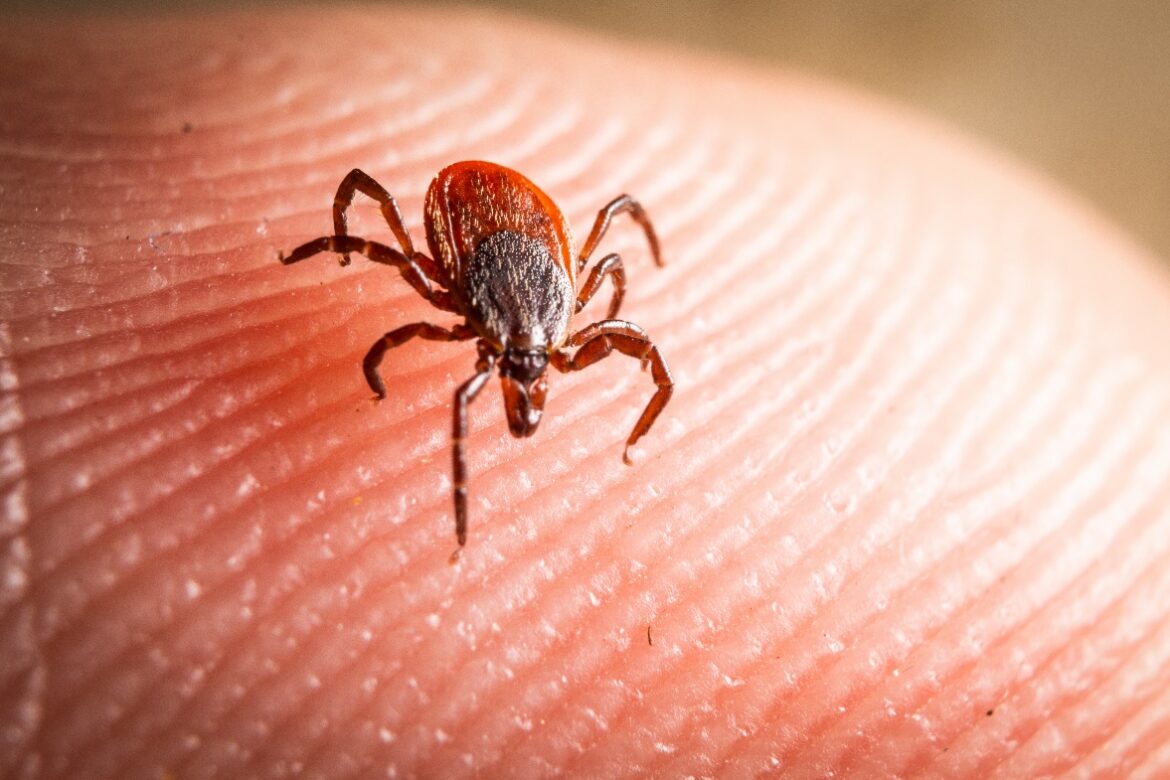
Concord, NH – The New Hampshire Department of Health and Human Services (DHHS), Division of Public Health (DPH) encourages residents and visitors to stay safe from tick and mosquito bites.
“As weather gets warmer and tick and mosquito activity increases, the risk of tick and mosquito bites rises,” said State Epidemiologist Dr. Benjamin Chan. “Multiple diseases can be spread through bites, and there are simple steps people can take to enjoy the outdoors and stay healthy.”
The most common infections in New Hampshire spread through tick bites are Lyme disease, anaplasmosis, babesiosis, Powassan virus, and hard-tick relapsing fever (Borrelia miyamotoi). Mosquitoes in New Hampshire can spread illnesses such as Eastern Equine Encephalitis (EEE), West Nile Virus, and Jamestown Canyon Virus.
Ticks are typically most active from April to November, with tick encounters peaking in May and June. New Hampshire is already experiencing an active tick season, although the risk for tick bites exists throughout the year.
Warmer weather also brings mosquitoes, and the risk of diseases spread by mosquitoes begins in the spring and continues throughout the summer and into the fall. DHHS partners with municipalities across the state to trap and test mosquitoes from June through October, using test results to inform communities of local risk for diseases carried by mosquitoes.
There are steps everyone can take to prevent tick and mosquito bites, as well as the diseases they can cause:
- Protect yourself from tick and mosquito bites. Applyinsect repellents to exposed skin and treat clothing with permethrin, an insecticide, before going outside. When outdoors, wear protective clothing such as socks, long-sleeved shirts, and long pants. Wear light-colored clothing, which makes it easier to spot ticks.
- Check yourself for ticks. After being outside, check your body for ticks. You should also check your clothing, gear, and pets for any ticks. Wash and fully dry your clothes on high heat after coming indoors, which can help kill any ticks attached to clothing that you might not see.
- Promptly Remove Ticks. If you find a tick that has bitten you, remove it as soon as possible with a pair of tweezers to lower your risk of illness. Consider using the Tick Bite Guide to help you decide when to contact your healthcare provider. Shower as soon as possible after coming inside to get rid of any ticks that haven’t bitten yet.
- Reduce the number of ticks around your home. Clear leaf litter, tall grass, or brush around your home and mow the lawn frequently to minimize tick habitats and reduce the chances of ticks coming in contact with people and pets.
- Reduce the number of mosquitoes in and around your home. Remove or cover outdoor items that contain standing water, where mosquitoes lay their eggs. Even small items filled with water can attract mosquitoes. Install or repair window and door screens to prevent mosquitoes from entering your home.
If you have any questions about diseases spread by ticks and mosquitos, you can call DPH at 603-271-4496. For more information about tick- and mosquito-borne illness and how to prevent bites, visit the DHHS Tickborne Diseases webpage and the DHHS Mosquito-Borne Illnesses webpage.