By GARRY RAYNO, InDepthNH.org
CONCORD — Negotiators quickly agreed on a bill to help financially troubled schools or school districts develop financial recovery plans Tuesday.
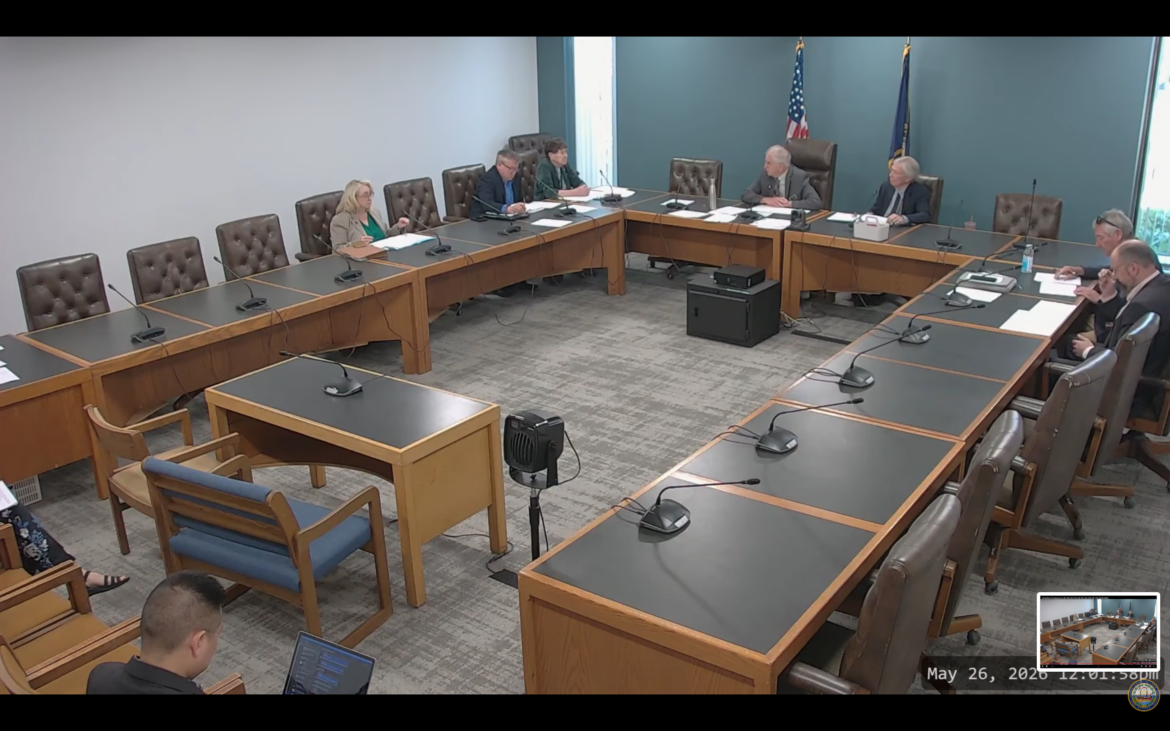
House and Senate members of the conference committee on House Bill 1816 agreed to a House proposal changing a Senate-added provision requiring the State Board of Education to adopt rules that school boards must follow in vetting district business administrators.
The lack of oversight by the Claremont School District’s former business administrator is considered one of the reasons for the district’s $5 million deficit, which had built up over three years and was discovered before schools opened last September.
Rep. Rick Ladd, R-Haverhill, who proposed the amendment, said the administrative rules for school district business administrators were removed in 2023 and have not been replaced.
The House proposed requiring school boards to follow rules developed by the State Board and administrators to follow practices outlined in the Educator’s Code of Conduct for business administrators.
The Senate version of the section would make it a violation of the code if a school or school district required emergency intervention and the development of a financial recovery plan.
The House version would hold the administrator culpable, but result in an automatic violation of the code, which could result in suspension or loss of a business administrator’s license.
The House and Senate negotiators approved the section of the bill allowing the State Department of education and the State Board of Education to intervene if a school or a school district encounters a financial emergency, which the bill defines as needing intervention and oversight “for the school district or school to meet its financial, operational, and instructional responsibilities for all school-age children.”
In an emergency, the DOE commissioner would have the authority to assist the school district or school in developing a recovery plan, to oversee the plan and to leverage resources to address financial needs.
The recovery plan may include changing administrative practices and operating conditions; reallocating school district or school resources; renegotiating contracts and agreements; and department oversight of school district or school governance, organizational structure, and/or administrative services for up to one year.
The bill also requires the State Board to develop administrative rules for providing corrective and technical assistance to a school district or school in a state of financial emergency.
Under the bill, the DOE would be able to draw $200,000 from the Education Trust Fund to implement the recovery plan. Any unused money would be returned to the Education Trust Fund, which is the primary source of money for state aid to public education, including adequacy grants to public schools, state aid for charter schools and Education Trust Fund grants.
Another bill, House Bill 121, also addressed financial emergencies for school districts facing deficits like Claremont’s, but would have allowed the department to name an administrator to take over running the district during a probationary period of up to one year.
The bill would have fined or put state aid at risk if the school district failed to meet deadlines for financial reports.
The bill would have allowed students in the district to join the Education Freedom Account program rather than attend their local school.
The bill would have allowed a school district to withdraw its state adequacy aid in advance to meet cash flow needs, but the state would have charged the school district interest for the loan.
Claremont declined the offer, saying it could borrow short-term money cheaper from a local bank.
The bill passed the House on a largely partisan vote, but was tabled in the Senate, which essentially killed it for this year.
When Claremont found itself facing a $5 million deficit and asked for state help, the Department of Education said it could offer technical assistance but had no program in statute to offer financial help.
The department, Claremont and the state treasurer worked to put together the loan program that would draw from a district’s future state adequacy grants.
Claremont was not the only school district to face large deficits this school year, mainly brought on by mid-year hikes in health insurance premiums when insurers needed to increase their reserves due to greater than expected claims the year before.
The House and Senate will vote on the agreed-to plan for House Bill 1816, June 4.
The Senate will act first and then the House.