By GARRY RAYNO, InDepthNH.org
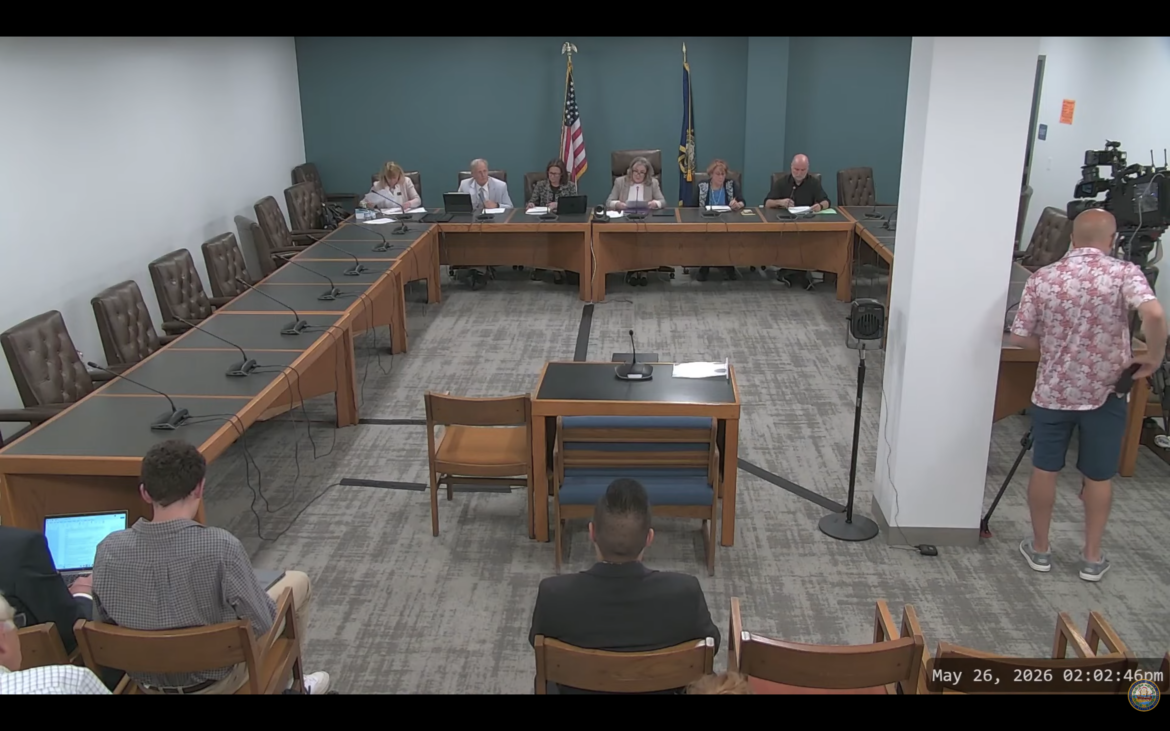
CONCORD — The conference committee on open enrollment for public schools met for five minutes Tuesday and will come back together tomorrow and try again.
Committee chair Rep. Kristin Noble, R-Bedford, presented a new amendment that addressed several issues raised last week when the first conference committee met such as transfers among intra district schools, which was removed, and clarifying that receiving schools will be responsible for 504 plans which outline accommodations to help students with disabilities who do not need specialized instructions.
The sending school is responsible for the special education services costs for a student who transfers to a receiving school.
After going over the amendment changes, the Senate asked for a recess until Wednesday at 12:45 p.m. and Noble agreed.
The battle over public school open enrollment will continue another day.
The biggest change to House Bill 751 proposed last week was to cap the program at 500 new students for the first year and then would increase the cap 25 percent if the number of enrolled students approaches 90 percent of the cap.
The “pilot program” is similar to the 10,000 student cap imposed on the Education Freedom Account program this school year that will expand to 12,500 students next school year after 10,510 students enrolled this school year.
The proposed open enrollment amendment retains the funding system adopted for Senate Bill 101, which the House defeated on a 184-168 vote last month.
The receiving school would receive the new student’s state adequacy aid, any differential aid for special education, low-income and English learning students as well as a $5,200 grant from the state — as charter schools receive —- which could total $15,070, but more likely would average about $12,500 per student.
The school sending the student would lose the adequacy and differential aid while the additional $5,200 per student would be drawn from the Education Trust Fund which provides state aid to public schools including charter schools and also funds the EFA program which this year is projected to cost $52 million.
The funding for the open enrollment program would cost the state a projected $2.8 million the first year and $3.4 million the second year.
The Senate originally passed HB 751 on its first session day this year with a plan to have the House quickly concur with the bill which also includes provisions to allow videotaping and photographing school events and activities which was legally questionable under a parental rights bill passed last session.
The plan was to send the bill to the governor before school district meetings this spring when voters had to decide how many students they would accept under the current open enrollment law and how many of their students could participate in the open enrollment program, with most districts not allowing their students to go to other schools.
Under the bill, the capacity those schools set for incoming students would be grandfathered, but districts would no longer be able to prevent their students from leaving for other schools beginning July 1, 2027 when the new system goes into effect.
The bill allows students in open enrollment to continue at their chosen school even if their district voted not to allow students to leave the district.
The committee faces a Thursday deadline at 4 p.m. to reach agreement on the bill or it dies.
If an agreement is reached, it will be voted on Feb. 4, with the Senate voting first and then the House.
Garry Rayno may be reached at garry.rayno@yahoo.com.