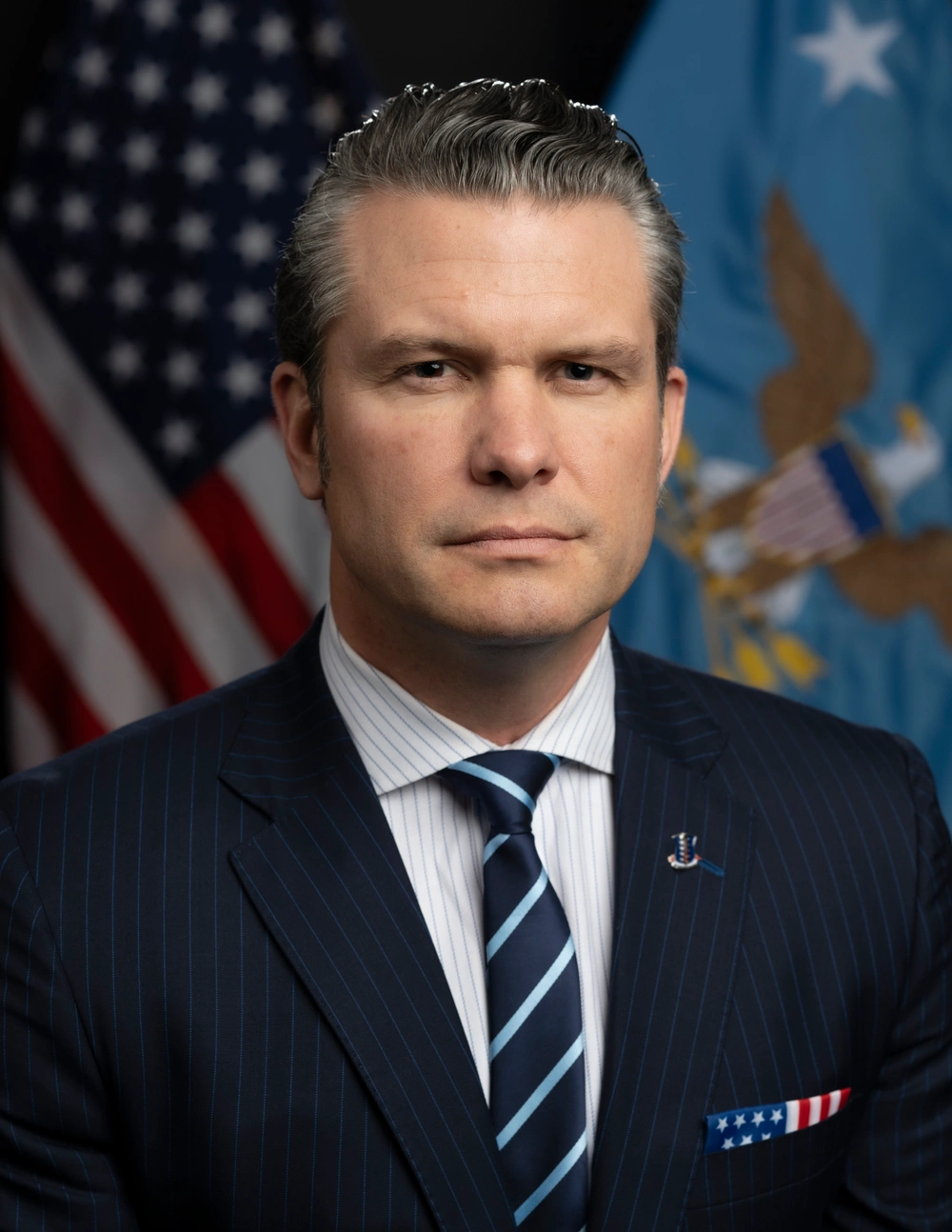
Washington, D.C. – Today, in a letter to Defense Secretary Pete Hegseth, Congresswoman Maggie Goodlander (NH-02) joined 13 House Democratic Veterans – including Representatives Gil Cisneros, Herbert Conaway, Jason Crow, Chris Deluzio, Chrissy Houlahan, Ted Lieu, Seth Moulton, Jimmy Panetta, Pat Ryan, Mike Thompson, Derek Tran, and Eugene Vindman – in demanding an immediate investigation into force protection failures that led to the deaths of six U.S. servicemembers in Kuwait on March 1.
The Members are specifically calling out contradictions in the Secretary’s characterization of the attack, which troops injured on base have called “falsehoods,” as well as the broader implications of threats posed by Iranian drones to the 50,000+ U.S. troops and billions of dollars in assets in the region. One troop injured in the attack said “the unit… was unprepared to provide any defense for itself. It was not a fortified position.” When asked specifically what fortifications were in place, another servicemember replied, “I would put it in the ‘none’ category, from a drone defense capability … none.”
As the President and Defense Secretary continue to build up their unauthorized military buildup in CENTCOM, Goodlander and her colleagues are demanding a fulsome, transparent investigation into failures at the site of this attack, as well as the broader implications of vulnerabilities as the conflict continues.
“We owe these American patriots, every American in uniform serving in harm’s way, and their loved ones a sacred obligation that we must honor with a swift, thorough, and independent investigation,” said Congresswoman Goodlander. “We will not rest until we deliver the accountability and force protection our troops urgently need.”
The full letter to Secretary Hegseth is included below:
Dear Secretary Hegseth,
We write to demand a formal, immediate investigation into the deaths of six U.S. servicemembers killed in Kuwait on March 1, 2026, during operations associated with the war in Iran. Congress must be kept fully and promptly informed of the investigation’s progress and any emerging findings.
Based on direct testimony from servicemembers injured in the attack and public reporting, it is clear that there was a deadly failure to protect our troops from known and predictable Iranian capabilities. As the Department and the President continue to amass U.S. troops and assets in the region without an end in sight, it is essential that we prioritize the safety of troops deployed in theater.
In addition to your failure to protect our troops, you, Secretary Hegseth, have also misled the public about the circumstances of the attack and failed to take accountability for the deaths of these brave men and women.
In a press briefing you characterized the attack as “a squirter” that hit a “fortified” tactical operations center. Pentagon spokesman Sean Parnell said the command post was a “secure facility” that was “fortified with 6-foot walls.” Despite these claims, we know these fatalities were in fact the result of a failure to provide sufficient overhead protection against known and predictable one-way attack drone threats.
Brave servicemembers have come forward detailing the reality on the ground. One servicemember injured in the attack explicitly called the Department’s characterization a “falsehood,” saying “the unit… was unprepared to provide any defense for itself. It was not a fortified position.” When asked specifically what fortifications were in place, another servicemember replied, “I would put it in the ‘none’ category, from a drone defense capability … none.”
These reports raise serious questions about the adequacy of force protection measures in theater, particularly in the face of increasingly sophisticated and persistent unmanned aerial system (UAS) threats.
In addition to including all physical evidence, operational data, first-hand accounts, and after-action reviews, please ensure your investigation also addresses the following questions:
- Was the threat of Iranian drone strikes on U.S. military sites and personnel assessed prior to the conflict?
- Why was overhead force protection not accounted for at the operations center in Port Shuaiba, Kuwait?
- Has overhead force protection been accounted for on the other 19 military sites in the Area of Responsibility (AOR) and across U.S. Central Command (CENTCOM)?
- Was the force protection posture based on previous in-theater operations with outdated or insufficient information?
- What are the preliminary findings regarding vulnerabilities in base infrastructure, including overhead protection and hardened facilities?
- How systemic and widespread were these targeting operations? How many Iranian drones have penetrated our defenses? Please provide any information on other Iranian drone or aerial incursions.
- What accountability measures are being considered in light of findings to date?
We remain deeply concerned about the broader implications for U.S. force posture and protection across the region. The evolving threat environment, particularly the proliferation of low-cost, low-altitude drones capable of evading traditional air defense systems, demands urgent attention. Especially as it relates to the safety and security of our 50,000+ servicemembers deployed to the CENTCOM AOR.
Accordingly, we also request information on the steps the Department of Defense is taking to ensure the safety of U.S. personnel, including:
- Enhancements to counter-UAS capabilities at forward-deployed locations;
- Improvements to early warning systems and detection of low-flying drones;
- Efforts to harden facilities and provide adequate overhead protection for critical operational and living spaces;
- Adjustments to force posture, dispersal, or basing strategies to mitigate risk;
- Coordination with partner nations to strengthen integrated air and missile defense in the region.
The loss of these servicemembers is a profound tragedy, and we owe it to them, their families, and all those currently serving to ensure that every possible measure is taken to prevent similar incidents in the future.
I appreciate your prompt attention to this matter and request a written response delivered to Congress no later than May 22, 2026.