By PAULA TRACY, InDepthNH.org
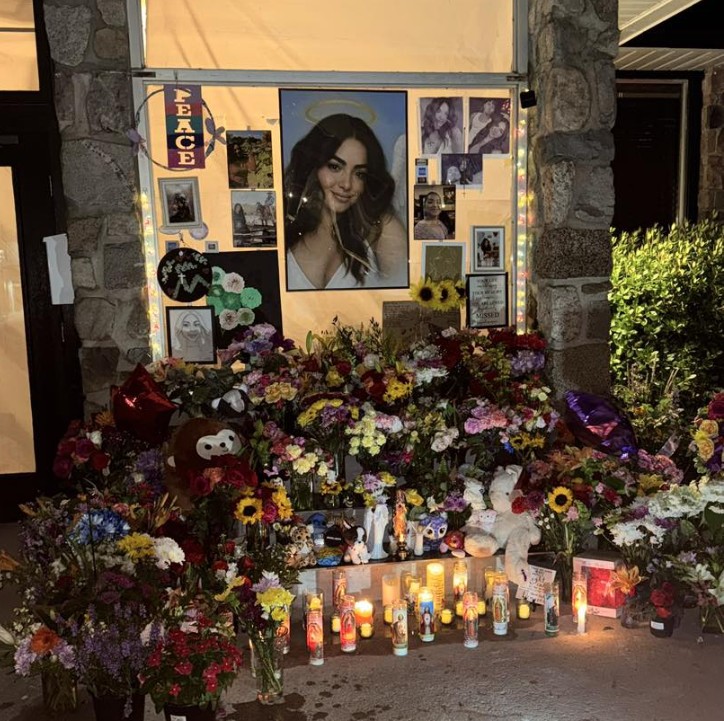
CONCORD – The first biennial report of the Domestic Violence Fatality Review Committee was released on Monday, laying out 11 steps that could advance the state’s response to tragic cases which impact communities like the 2025 murder of a 25-year-old Berlin woman at the hands of her estranged husband.
According to state statistics from 2022 through 2025, 44 people in New Hampshire lost their lives to domestic violence.
Of those fatalities, 22 victims were killed by a family member, 20 were killed by an intimate partner, and two others died in domestic violence-related incidents.
From 2009 through 2025, domestic violence was a factor in 57 percent of all homicides in New Hampshire.
A copy of the report, including the names of members of the committee is included here: https://www.doj.nh.gov/sites/g/files/ehbemt721/files/media/media_document/2026-dvfrc-report_0.pdf
Gov. Kelly Ayotte praised the document and said, “it is critical that we improve protections for victims of domestic violence so that our state never sees another tragedy like the murder of Marisol Fuentes in Berlin,” the first case study for the newly formed committee.
Ayotte said she looks forward to “working together to implement these recommendations and strengthen our laws so we can prevent future tragedies and ensure victims have the protection they deserve.”
Executive Councilor Janet Stevens, R-Rye, said: “Their findings are sobering. From 2009 through 2025, 57 percent of New Hampshire’s homicides were domestic violence homicides. From 2022 through 2025, that share rose to 64 percent: 44 of 68 homicides. Firearms were the leading cause of death, most victims died in the home they shared with their killer, and one in four was under the age of 20.”
Recommendations outlined in the report include:
*Create an enhanced level of offense for subsequent domestic violence.
*Explore domestic violence compliance efforts within the court system.
*Explore evidence-based risk assessment tools or guides to be used by judges in both civil and criminal cases.
*Assess the disparities between counties for accountability for offenders, including but not limited to pre-trial and post-trial services.
*Increase knowledge on domestic violence protective order violations and appropriate charges.
*Train dispatchers and call takers on the dynamics of domestic violence.
*Strengthen organizational responses to compassion fatigue and secondary traumatic stress among law enforcement and prosecution personnel.
*Explore the creation of Domestic Violence High Risk Response Teams.
*Promote system-based victim advocacy for criminal cases handled in Circuit Court.
*Revive domestic violence coordinating councils.
*Expand ACERT (childhood trauma) teams to additional communities where appropriate.
As part of a suite of legislation related to crimes, including sexual trafficking, Ayotte signed the law to create the Domestic Violence Fatality Review Committee in July of 2025. It began working and produced the 32-page document this week.
Attorney General John Formella served as chair of the Committee.
He said in a statement: “This Committee gives New Hampshire a stronger, multidisciplinary process for examining these cases and identifying opportunities to save lives. This report provides concrete recommendations to strengthen offender accountability, Improve victim safety and support, enhance coordination among law enforcement, prosecutors, courts and victim service providers, and promote earlier intervention. No single agency can solve this problem alone. The work does not end with this report; it begins here. The New Hampshire Department of Justice is committed to working with our partners across the Granite State to put these recommendations into action.”
Alyssa Dandrea, community relations specialist for the New Hampshire Coalition Against Domestic and Sexual Violence, said: “Domestic violence homicides are preventable. Every life that is lost leaves families and communities asking what could have been done to prevent it. This report gives New Hampshire specific recommendations to strengthen offender accountability, recognize danger earlier, and improve protection for victims and their children.”
According to a statement by the Department of Justice, the DVFRC conducts multidisciplinary, confidential reviews of domestic violence fatalities to identify gaps in services, systemic challenges and opportunities for prevention.
Its work examines the circumstances surrounding domestic violence deaths and develops recommendations to improve law, policy and practice across New Hampshire. It will report every two years.
Over the past year, the Committee conducted in-depth reviews of two domestic violence homicides and developed 11 recommendations based on those reviews. The recommendations focus on strengthening offender accountability, supporting victims, improving coordination and communication among professionals and agencies, and promoting earlier intervention.
The Committee believes the implementation of these recommendations will improve the State’s response to domestic violence.
The report comes during October’s Domestic Violence Awareness Month, a time to recognize the impact of domestic violence and stand with survivors and the families and friends of those who have lost their lives to domestic violence. For anyone impacted by domestic or sexual violence or stalking, free and confidential support services are available across the state 24/7 by contacting the statewide helpline at 1-866-644-3574.