By ZACH LAIRD, InDepthNH.org
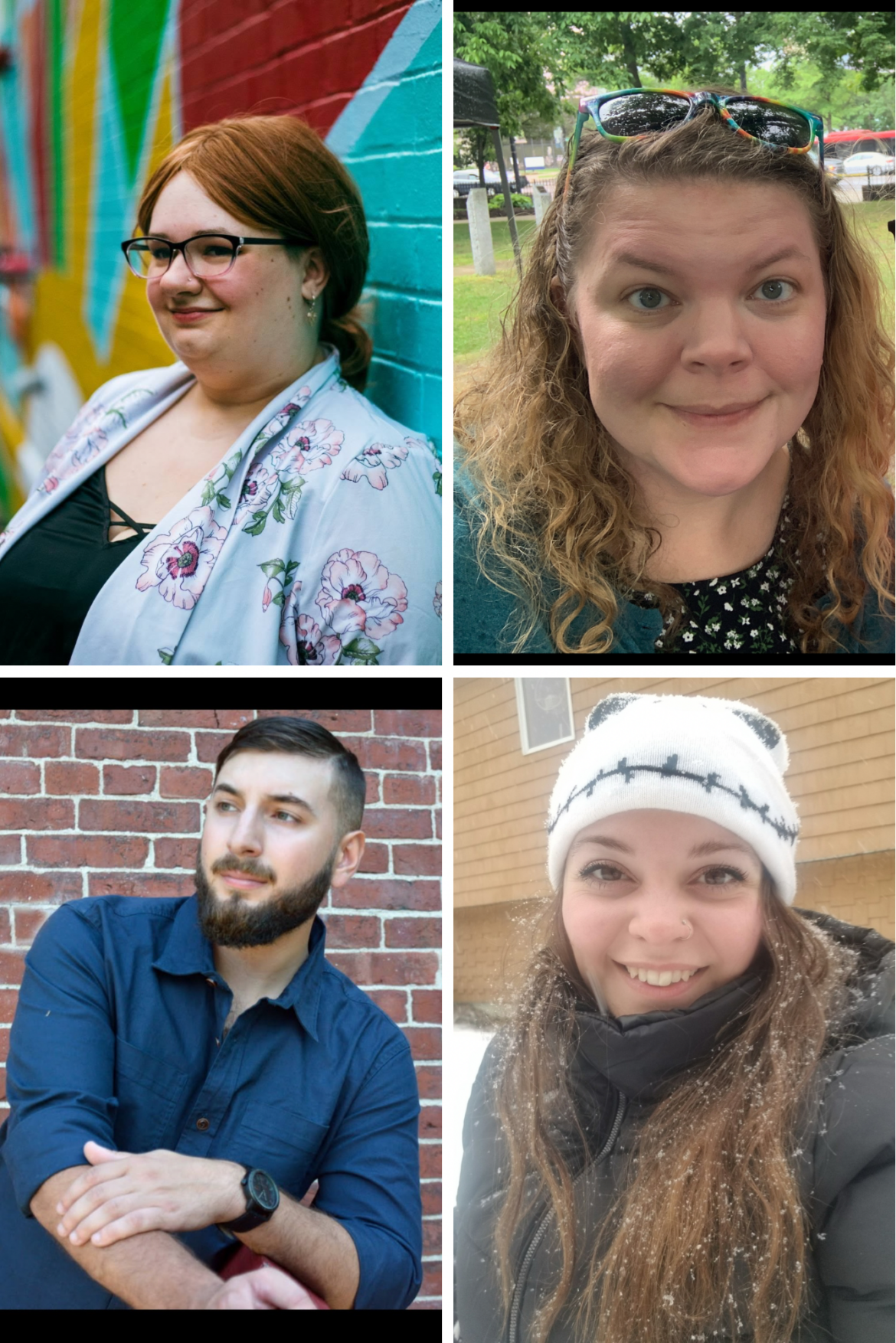
Among the thousands of people who joined the Free State Project, some have stayed, like Jaime Hussey and Derek Proulx. Others, like former State Rep. Amanda Bouldin, D-Manchester and Leslee Petersen, left the movement after they realized it wasn’t what they expected.
The project began in 2001 and was founded by Jason Sorens as an alternative and attainable strategy to the Libertarian party’s national strategy, per its website. In order to create a more concentrated community of libertarians, Sorens launched the idea of a “mass migration to concentrate libertarians in one small state.” The concept was supported by a vote of the first 1,000 participants.
Twenty-five years later, the movement continues to grow in size, and has reached a point in its trajectory where it holds a tangible presence in both the political and cultural realms of New Hampshire. Since it began the organization states that thousands have made the move to the Granite State. There are currently between 6,000 and 10,000 participants of the project.
According to Eric Brakey, executive director of the Free State Project, the movement does not financially help or incur any costs of participants moving to New Hampshire. He also says that people who already live in New Hampshire can call themselves Free Staters, not just those who move here for the project.
Derek Proulx grew up in Derry and was around 14 years old when he first heard about the Free State Project — thinking it was just another group of people moving to a different state to change it — but said he later joined several thousand other native Granite Staters who openly associate with the project.
From there, he said he continued to get more involved, and meet more people through networking. In March 2023 he joined American for Prosperity New Hampshire —which is part of a national conservative grassroots organization founded by the Koch brothers back in 2004 — as the Grassroots Engagement Director, a role in which he still serves.
“The Free State Community is wonderful. As a native Granite Stater, we grow up with the ‘Live Free or Die’ ethos ingrained into us; it’s on all the license plates, it’s on the road everywhere… It’s really part of our culture here, and the Free Staters — the people who moved to New Hampshire for freedom and liberty — they share our culture. They’re all about freedom and liberty, which are the things we value as native Granite Staters,” he said.
Jaime Hussey
Jaime Hussey, who serves as the project’s deputy welcome director, moved from Maine to New Hampshire in 2024 to help build that community of like-minded people promised by the Free State Project. She was a leader in the Maine Libertarian Party and an office manager for a landscaping company, and explained that she felt like an outsider in her home state due to her political beliefs.
She first heard of the Free State Project through X.com (formerly known as Twitter) during the COVID-19 pandemic. Her husband discovered Dennis Pratt, a Libertarian activist who she said was voicing all the things she and her husband would talk about together.
After that, Hussey said she was on board with the idea to leave. She and her husband did some more research, and they were ready to move out of Maine. She acknowledged it was a big decision, noting that she left a fantastic job and that a lot of her family still resides there.
Hussey said she also helped create the Porcupine Assistance Liaison (PAL) program, which helps connect people who may want to move to New Hampshire with the project — or have recently moved to the state — to help them get more familiar with the area they’re moving to.
“We are here to live our lives, that’s literally it. I know that we are commonly portrayed as ruining public education. That’s not the intention at all. Public education is always going to be a thing. So, because it’s going to be a thing, we just want public education to improve,” she said.
Amanda Bouldin
Not everyone who has joined the movement — either locally in New Hampshire or those who pledged to move — found their permanent homes and community. Former State Rep. Amanda Bouldin, D-Manchester had a different experience with the Free State Project.
Bouldin was in her early 20’s when she first heard of the movement through her then-spouse, who found it on YouTube. The concept of starting over in New Hampshire sounded exciting and fun, she said, explaining that life in Texas had stalled during the 2008 financial crisis.
Bouldin began to pick up on a noticeable shift in the views of some project participants when Donald Trump first took office. She explained the far-left leanings of some people were being replaced with a blossoming right-wing ideology, adding that “things got really different very fast.”
“We went from having practical conversations about real government harm in this state — and how we can make the world a better place — to having imaginary gripes that really only improve the lifestyle of the upper class, and do nothing for regular people. It was a really bizarre shift,” she said.
Around 2016 Bouldin began having second thoughts about her role in the project. Then, when Libertarian Ian Freeman (who was active with the Free State Project) spoke publicly on a radio show he hosted about how he felt children could make informed decisions about consent, she decided to quietly step away while fearing potential backlash for her departure.
“I feel lucky that I could move across the country for what I didn’t realize was a cult, leave the cult, and still be able to find connections with people in a place that I didn’t really understand when I moved here,” Bouldin said.
Leslee Petersen
Leslee Petersen was one of many who were intrigued by the sense of community the Free State Project offered. She first heard about it in 2011, and in 2017 she made the move to New Hampshire from North Carolina, though she ultimately stepped away several years later.
Upon getting settled in Manchester, Petersen became a regular attendee and volunteer at the project’s summer staple event, PorcFest (short for Porcupine Freedom Festival), would attend the many meet-ups at the Quill social club in Manchester, and often socialize with others in the community.
“There was a big sense of community. It felt good,” she said.
Then came the COVID-19 pandemic several years later. Around 2020, Petersen said she started having major issues with the movement at the beginning of the COVID-19 pandemic, noting the project’s approach to it was “very different” from Petersen’s. She said the community was “eschewing any attempt at social distancing and vaccines (and) it didn’t feel like the community I signed up for at that point.”
Petersen said she felt like the pandemic was the beginning of the radical and fringe side of the project gaining control of the organization, which she said was another reason for her ultimately stepping away from the project.
She said she cut off any ties with people in the pro of community after moving up here; “I lost most of my friend group.”
After stepping away from the project, she said bricks were thrown through the windows in her house, though she said there’s no way to prove who did it, and received hateful messages on social media.
Looking back on life away from the movement, she said she has a job teaching and was able to establish new connections with people.
“I’ve been able to make local friends and develop a community now, I just don’t talk about a lot of my past with them, because I know the perception of the Free State Project — even if I say I disassociated — people will still think I have the views of it, so it’s impacted how close I can get to people.”