By DAMIEN FISHER, InDepthNH.org
CONCORD — Serving a life sentence with no chance for parole for orchestrating the murder of her husband, Pamela Smart keeps trying to get out of prison.
And now, Merrimack County Superior Court Judge James Kennedy will decide if her claims that inaccurate transcripts helped prejudice the original 1991 jury against her can move forward.
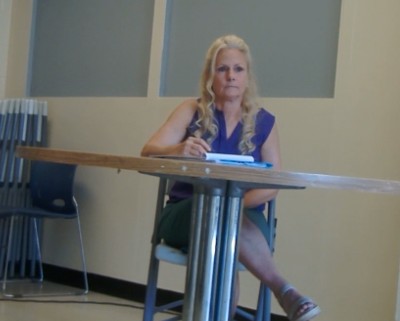
Smart, 58, is currently locked up in a New York women’s prison and appeared via video feed Monday for the hearing on her latest bid for freedom. Smart’s lawyers claim a scientific study they had conducted on the transcripts and audio prove that the inaccurate transcripts used at the trial unfairly doomed Smart’s chances.
“These transcripts deceptively directed the jury to hear Ms. Smart making inculpatory statements not actually present in the audio,” attorney Matthew Zernhelt said in Smart’s petition.
In court Monday, Zernhelt told Kennedy that the study, conducted using the audio, transcripts, and control groups, makes clear that the evidence used at the trial created a cognitive bias among jurors to find Smart guilty.
“There’s no absolute truth about what’s on those tapes,” Zernhelt said.
But lawyers with the New Hampshire Attorney General’s Office want Kennedy to dismiss Smart’s habeas corpus petition, partly on the grounds there is no evidence supporting her claims of cognitive bias. Her lawyers have yet to make all the study data and documents available to the State, and her own petition includes evidence jurors were not biased by the transcripts, said Assistant Attorney General John Drennan.
In multiple statements jurors made after Smart’s conviction, they said they did not view the transcripts as completely reliable and frequently returned to the audio tapes to listen for what was said.
“It appears [Smart’s] own filing would support the idea that jurors were skeptical or, and attuned to, the possible problems with the transcripts,” Drennan said.
Kennedy will now consider the State’s motion to dismiss Smart’s habeas petition and issue a ruling in the next 30 to 60 days.
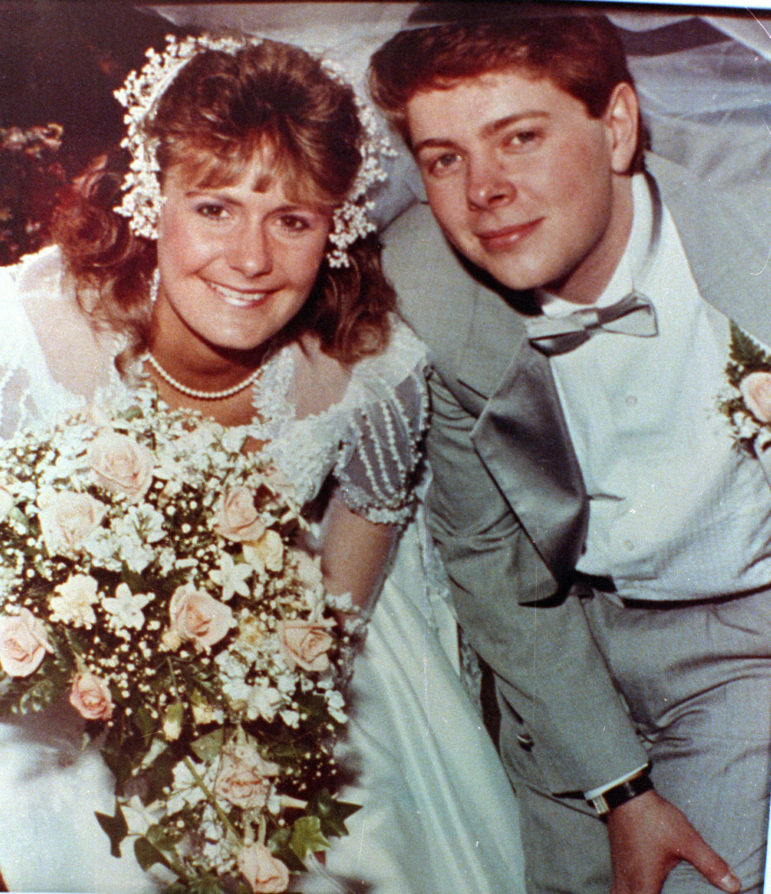
Smart was 22 and the media coordinator at Winnacunnet High School when she had an affair with 15-year-old student Billy Flynn and got him to murder her husband, Gregg Smart, in 1990. The lurid crime inspired a best selling novel that was later turned into the movie, To Die For, starring Nicole Kidman.
Flynn, under the thrall of Pamela Smart, went to the Smarts’ Derry apartment and killed Gregg Smart, shooting him in the head. He ended up testifying against Pamela Smart during the trial. Pamela Smart blamed Flynn for the murder, and denied any responsibility for decades. Flynn was released in 2015 after serving 25 years in prison. The two other teens who went with Flynn into the Derry apartment have also since been released from prison.
Pamela Smart was at a meeting that night and not home when her husband was murdered. She was convicted of being an accomplice to his murder.
A bid by Smart to compel the Governor and Executive Council to reconsider giving her a commutation hearing failed with the state Supreme Court in 2023.
Smart tried for release last year, appealing to Gov. Kelly Ayotte and the Executive Council. In a video she made to support the release, Smart claimed a writing class led by Vagina Monologues author Eve Ensler helped her come to terms with her guilt.
“She pressured us and encouraged us to go beyond and into spaces we didn’t want to be in,” Pamela Smart said. “It’s in those spaces is where I found myself responsible for something I desperately didn’t want to be responsible for, my husband’s murder.”
In the brief video shot in 2024 from Bedford Hills Correctional Facility in New York where Smart is serving her sentence without the chance for parole, she asked the five-member Executive Council for “an honest conversation with you about my incarceration, my acceptance of responsibility and any concerns you might have, any questions…” either by video link or in person.
A link to her video is here https://vimeo.com/948765278/9ec230ccd5
Ayotte last year rejected Smart’s most recent attempt to get a hearing before the Executive Council.
“People who commit violent crimes must be held accountable to the law. I take very seriously the action of granting a pardon hearing and believe this process should only be used in exceptional circumstances. Having reviewed this case, I have decided it is not deserving of a hearing before the Executive Council,” Ayotte said at the time.